
Brain-Like AI, Squishy UI, and the Agentic Web
The third week of January 2026 has brought a whirlwind of scientific breakthroughs and aesthetic shifts. While researchers are closing the gap between biological and artificial intelligence, designers are rebelling against the flat, sterile interfaces of the past decade.
Here is your summary of the most critical news and trends in AI, UX, and Product for the week of January 23, 2026.
The Science of AI: Closer to the Human Brain
On January 21, 2026, a groundbreaking study published in ScienceDaily revealed that the human brain processes spoken language in a way that closely resembles advanced AI language models.
Researchers tracked brain activity during podcast listening and found that the "meaning unfolding" process in biological neural networks aligns surprisingly well with the prediction mechanisms of LLMs. This suggests that:
- Bio-Inspired AI: Future models may be designed even more closely after human cognition, potentially solving efficiency issues.
- Natural Interfaces: As AI understands context more like we do, conversational interfaces will feel less like "commands" and more like genuine dialogue.
The Return of Fun: "Squishy UI"
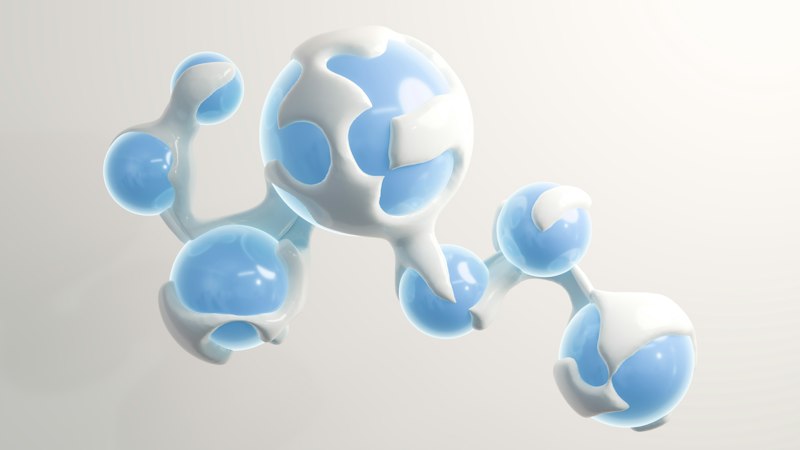
If 2025 was the year of "clean AI," 2026 is becoming the year of Tactile Maximalism. Designers are embracing what is being dubbed "Squishy UI" or the "Jelly Aesthetic."
According to recent design trend reports, users are craving digital objects that feel real enough to touch.
- Deformable Elements: Buttons that squish, bounce, and react to pressure.
- 3D Textures: A move away from flat pixels to high-gloss, clay-like, and chrome finishes.
- Emotional Design: Prioritizing "vibe" and delight over pure utilitarian minimalism.
The Agentic Shift: AI as Co-Designer
The concept of the "copilot" is evolving into the "co-designer." New frameworks discussing Agentic UX suggest that we are no longer designing static screens, but rather the rules for AI to generate interfaces on the fly.
- Dynamic Workflows: Interfaces that adapt their layout based on the user's current intent and historical behavior.
- Human-Agent Ecosystems: The designer's role is shifting to orchestrating how multiple specialized AI agents interact with the user, ensuring a cohesive experience despite the dynamic nature of the content.
Tools of the Month
The Product Hunt leaderboard for January 2026 highlights the continued dominance of AI tools for builders:
- 1Code: An open-source, Cursor-like UI for Claude Code, making advanced AI coding assistance more accessible.
- MiroMiro: A tool that allows users to copy any website's design and assets in one click, raising interesting questions about inspiration versus imitation in the AI age.
Conclusion
As we move deeper into 2026, the line between the biological and the digital continues to blur. Whether it's AI mimicking our brain waves or UI mimicking the physics of jelly, the trend is clear: technology is becoming more organic.